“coffee bean grading” search results (10000)

Introduction to Ethiopian Coffee Grade
Grade of Ethiopian coffee: Ethiopian washed coffee Yega Chuefei G1 G2 Sidamo (Yirgacheffe, Sidamo) has the highest grades 2 and 3 (G2, G3), while sun-processed coffee in eastern Ethiopia is mostly grade 4 or 5 (G4, G5). In many cases, level 4 coffee is marked as level 5 in order to reduce taxes. At present, the classification is not uniform and there are
2016-05-29 Ethiopia coffee grade introduction
The grading method of coffee grade high-quality coffee beans
National place name: indicates the area where coffee is produced. For example, Ethiopia. Harald shows that the product is produced in Harald, Ethiopia. It should be noted here that the name of the country is the same, but when the region and year are different, the quality of coffee is different, and the taste of coffee is not guaranteed to be consistent. Port of export: indicates the port of export of coffee. Coffee of the same origin and brand in the same place.
2015-01-15 Coffee grades boutique coffee beans grading methods famous products place names indicating that coffee
Grading and classification of coffee beans
Coffee beans are graded first by size and then by density. With two exceptions, all coffee beans have a considerable size and the same proportion, with flat on one side and semi-oval on the other. The special cases are pea-shaped coffee beans that tend to be more oval in shape and giant coffee beans with large particles (that is, Marragol peel coffee beans). The prices of these two kinds of coffee beans are always higher.
2014-08-08 Coffee knowledge coffee bean classification coffee encyclopedia
The method of primary processing of small coffee beans
Technical requirements for the initial processing of small seed (Arabica seed) Coffee 1. There are two processing methods for coffee beans made from fresh coffee fruits, namely wet processing and dry processing. The first and second grade fruits are processed by wet method, and the third grade fruits are processed by dry method in areas without peeling machine and lack of water. 2. Processing technology 2.1 equipment and facilities should be equipped with fresh fruit collection pool and rainbow
2014-09-02 Coffee knowledge small coffee coffee bean processing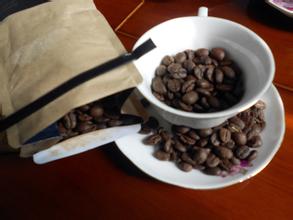
The latest introduction of boutique coffee beans Ethiopian Yejasuefi Coffee
In Ethiopia, the grading and quality control system of coffee is divided into three levels: producer, regional and national. All coffee is inspected by local inspection agencies before leaving the country of origin, and then re-tested at the coffee inspection and grading centers in Addis and Diredawa to determine its quality grade. Coffee is graded before auction and sale, for all involved in production, acquisition,
2016-01-02 Boutique coffee beans Ethiopia Yega Sheffield coffee latest introduction
Grade planning of coffee beans in Kenya
Common classification: hand-picked coffee fruit, picked by hand, picked out immature fruit (unripe), overripe fruit (overripe) and other defects, peeled, after about 36 hours of fermentation, placed on a metal grid for sun drying, in the processing plant to remove the seed shell (parchment), become a blue-green appearance of attractive Kenyan raw beans. These beautiful raw beans, according to one
2016-06-06 Kenya coffee beans grades planning common classification manual picking coffee classics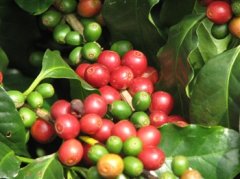
Initial processing requirements of Yunnan Coffee (Arabica species)
Technical requirements for the initial processing of small seed (Arabica seed) Coffee 1. There are two processing methods for coffee beans made from fresh coffee fruits, namely wet processing and dry processing. The first and second grade fruits are processed by wet method, and the third grade fruits are processed by dry method in areas without peeling machine and lack of water. 2. Processing technology 2.1 equipment and facilities should be equipped with fresh fruit collection pool and siphon
2014-09-29 Yunnan coffee is first processed Arabica species
Rich floral flavor of Ethiopian coffee introduction to the characteristics of fine coffee in the manor area
In February 1977, Lieutenant Colonel Mengistu Haier Maryam (MENGISTU HAILE MARIAM) launched a military coup and served as Chairman of the interim military Administrative Council and head of State. In 1979, the Ethiopian Labor people's Party Organization Committee, dominated by soldiers, was established to implement an one-party system. In 1984, the Ethiopian Workers' Party was formed according to the Soviet Communist Party model. Mengistu, September 1987
2016-08-20 Rich fragrant Ethiopian coffee flavor taste manor producing area characteristics
Brief introduction and grading of Ethiopian Coffee beans
Most of the sun-processed coffee in eastern Ethiopia are grade 4 or grade 5 (G4, G5). In many cases, level 4 coffee is marked as level 5 in order to reduce taxes. At present, the grading is not uniform and a bit messy, because there are also first-and second-tier (Grand G2) Yirga Cheffe coffee processed by solarization, but the highest grade of Harald (Harar) is level four (
2016-06-01 Ethiopia Coffee beans introduction grading East region Solar processing
Coffee bean grade classification in different countries, coffee grade classification in Mexico, etc.
Altitude classification
2016-05-10 Different country coffee bean grade classification Mexico coffee altitude
Kenyan grade coffee bean boutique coffee
Usually, Kenyan coffee is classified as follows: 1) Common categories: coffee fruits picked by hand, picked by hand, picked out immature fruit (unripe), overripe fruit (overripe) and other defects, peeled, after about 36 hours of fermentation, placed on a metal grid for sun drying, in the processing plant to remove the seed shell (parchment) to become a blue-green appearance
2016-06-08 Kenya grades divisions coffee beans boutique coffee usually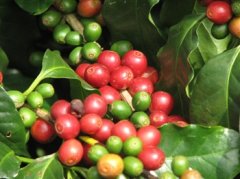
Technical requirements for primary processing of coffee in Yunnan (Arabica species)
Technical requirements for the initial processing of small seed (Arabica seed) Coffee 1. There are two processing methods for coffee beans made from fresh coffee fruits, namely wet processing and dry processing. The first and second grade fruits are processed by wet method, and the third grade fruits are processed by dry method in areas without peeling machine and lack of water. 2. Processing technology 2.1 equipment and facilities should be equipped with fresh fruit collection pool and siphon
2015-06-06 Yunnan coffee primary processing technology requirements rabbi card species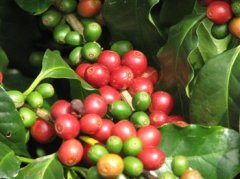
The primary processing technology of coffee in Yunnan requires Arabica species
Technical requirements for the initial processing of small seed (Arabica seed) Coffee 1. There are two processing methods for coffee beans made from fresh coffee fruits, namely wet processing and dry processing. The first and second grade fruits are processed by wet method, and the third grade fruits are processed by dry method in areas without peeling machine and lack of water. 2. Processing technology 2.1 equipment and facilities should be equipped with fresh fruit collection pool and siphon
2015-09-15 Yunnan coffee primary processing technology requirements rabbi card species
The initial processing technology of coffee in Yunnan requires Arabica to grow coffee beans.
Technical requirements for the initial processing of small seed (Arabica seed) Coffee 1. There are two processing methods for coffee beans made from fresh coffee fruits, namely wet processing and dry processing. The first and second grade fruits are processed by wet method, and the third grade fruits are processed by dry method in areas without peeling machine and lack of water. 2. Processing technology 2.1 equipment and facilities should be equipped with fresh fruit collection pool and siphon
2015-03-20 Yunnan coffee primary processing technology requirements rabbi card coffee beans
Distinguishing coffee beans and the grading of coffee beans teaches you how to distinguish coffee beans.
● distinguishes the key names and specifications of coffee beans the name of the port of export of ● can tell the shipping route from the name of the port of exit marked. Coffee from the same origin or the same brand has a certain route, so it is also exported from the same port. For example, if it is marked "Brazil." "Santos" means that this is coffee exported from Santos, with the exception of those marked "mocha".
2016-01-11 Distinguish coffee beans and grading teach you to master how essentials distinguish coffee
Fine coffee technology Technical requirements for the initial processing of Yunnan Coffee
# FormatImgID_0# small seed (Arabica seed) Coffee initial processing Technical requirements 1. Processing methods there are two processing methods for coffee beans made from fresh coffee fruits, namely wet processing and dry processing. The first and second grade fruits are processed by wet method, and the third grade fruits are processed by dry method in areas without peeling machine and lack of water. 2. Processing technology 2.1 equipment and facilities should be provided with fresh food
2014-11-14 Coffee knowledge boutique coffee Yunnan coffee coffee processing
Blue Mountain Coffee has a high requirement for the proportion of defective beans, which gives priority to the grading system of giving priority to defects.
Introduction: although the output of Blue Mountain Coffee is very small, it has a strict grading system. Even if it is produced in the legal Blue Mountain producing area, it should be graded according to the size of beans and the proportion of defects. BlueMountainNo.1 Blue Mountain No. 1 bean type: 96% above 17 Bl 18 eyes defective bean proportion: 2% BlueMountainNo.2 Blue Mountain 2 bean type: 96% above 16 inch defective bean proportion: 2% Bl
2016-04-18 Blue Mountain coffee for defects proportion there are very high requirements size priority
There are several grades of Ethiopian coffee.
Ethiopian beans are easily recognizable, mostly small and pointed long beans, known as longberry, and often mixed with small oval-shaped short beans, called shortberry, which look uneven in size and appearance. The commercial bulk beans of Grade4 or Grade5 are mostly mixed with hundreds of different crystal seeds in different producing areas, so the phenomenon of uneven bean phase is the most obvious.
2016-06-01 Ethiopia coffee several grades beans easy to identify.
Brazilian coffee taste priority origin rating system Brazilian coffee grading system Brazilian cup test method
The grading system of Brazilian coffee is very special, which is based on the results of the Brazilian cup test as the main basis for grading, rather than referring to altitude, bean size, and so on, as most other coffee beans do. So when we choose and buy Brazil, we often add the number of coffee beans to show its size.
2016-04-12 Brazil coffee taste priority origin rating system grading western style cup test
The flavor spectrum of raw bean grading model 90 + "Level" marks the top taste standard.
In the flavor spectrum of 90 +, there is a Level logo. It is the number after the product name mark L. For example, L12-means Level 12. The Level is probably in proportion to the price. It represents the grading model of raw beans: according to quality, quantity, production cost, 90 + based on the original excellent raw beans, continue to grade as follows: Level 7: single production area harvest. Will taste meticulous and
2016-07-13 Raw beans grading pattern 90 Flavor Level logo Top Taste